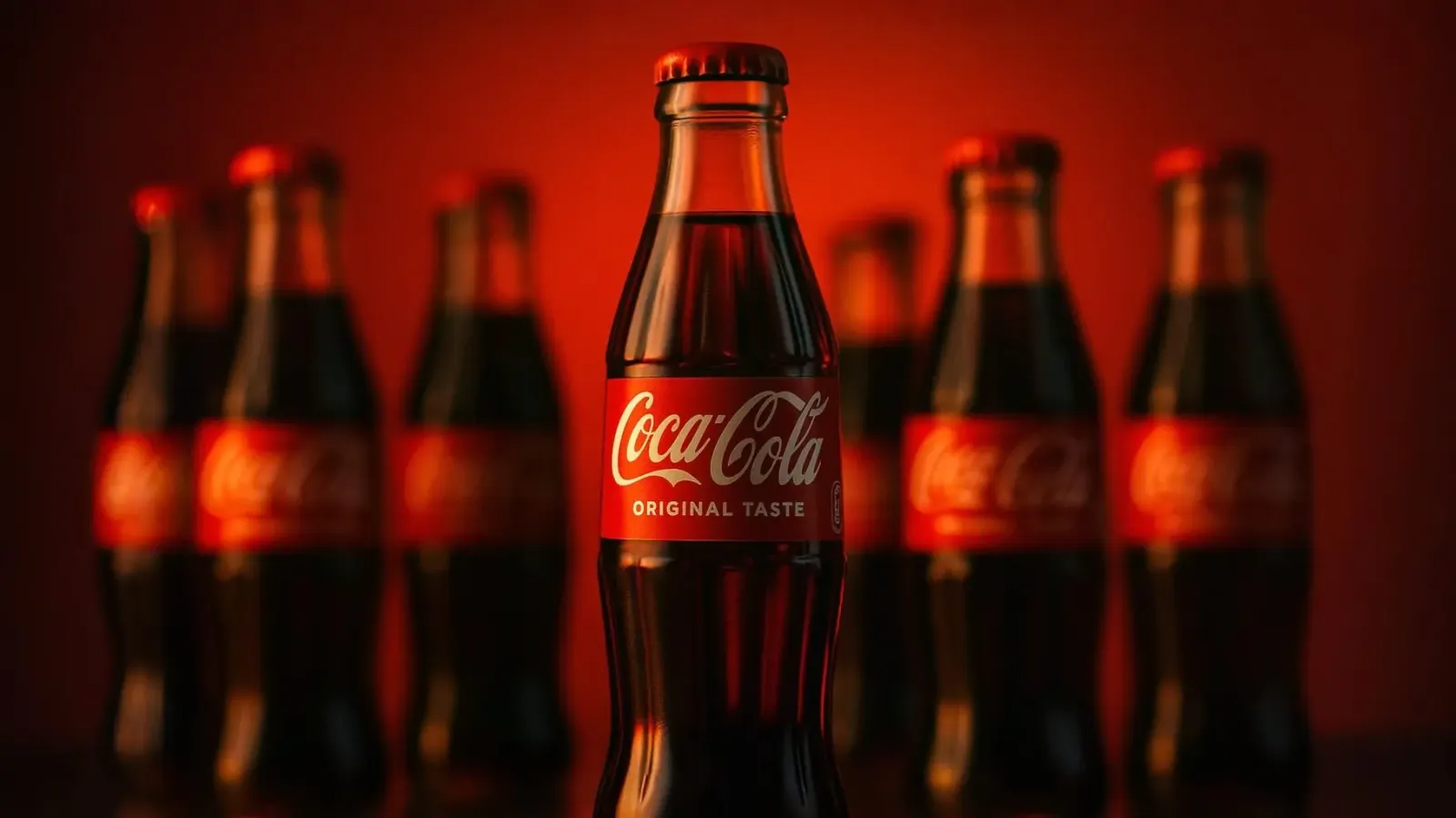
Coca-Cola isn’t just a drink — it’s a phenomenon. From a small pharmacy experiment in Atlanta to one of the most recognized brands on Earth, its story is a blend of innovation, emotion, and extraordinary survival. The red-and-white logo became a global symbol of joy, friendship, and celebration. But behind the refreshing fizz lies a tale of bold ideas, historic rivalries, and powerful marketing magic that turned a simple soda into a cultural icon. This is the fascinating journey of how Coca-Cola Built soft drink Empire
The Birth of a Global Taste
It all began in 1886, when an Atlanta pharmacist named Dr. John Stith Pemberton was searching for a remedy for headaches and fatigue. In his backyard, he mixed caramel-colored syrup with carbonated water, creating a drink that had a unique sweetness and an energizing feel. His assistant, Frank Robinson, suggested the name Coca-Cola — derived from its two original ingredients, coca leaves and kola nuts — and wrote it in flowing cursive that would later become one of the most recognizable logos in history.
Pemberton sold the drink for just five cents a glass at Jacob’s Pharmacy, not realizing he had created a product that would define modern consumer culture. Unfortunately, his health was failing, and he sold portions of his formula to various partners. Before his death in 1888, a businessman named Asa Candler managed to acquire the rights to Coca-Cola, becoming the first to see its true commercial potential.
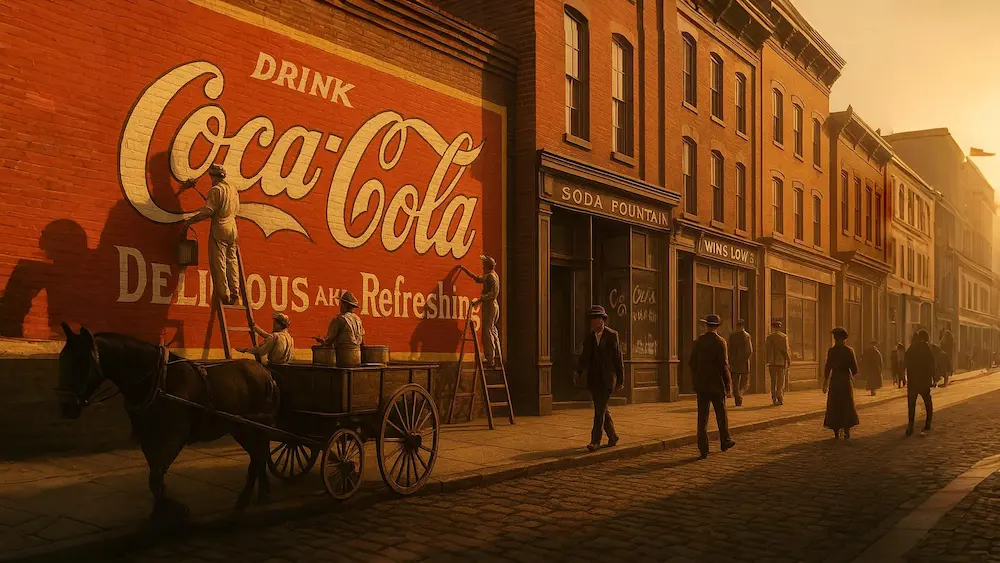
Thia is an AI-generated image — not a real historical photo.
Under Candler’s leadership, Coca-Cola evolved from a local refreshment into a national sensation. He focused on distribution and marketing — giving away free coupons, painting walls with the Coca-Cola logo, and ensuring the drink reached every corner of America. Within a decade, Coca-Cola became more than a soda; it was a symbol of modern America — energetic, optimistic, and fast-moving.
The Expansion, the Rivalry, and the Dream
As the 20th century dawned, Coca-Cola’s rise collided with competition — most notably Pepsi. Both brands fought for dominance in what would become one of the fiercest marketing rivalries in business history. Pepsi positioned itself as the affordable choice during the Great Depression, while Coca-Cola stood as a mark of quality and comfort. The rivalry sparked innovation, creative campaigns, and decades of “cola wars” that pushed both companies to new heights.
But Coca-Cola’s true genius wasn’t in flavor — it was in emotion. The company didn’t just sell a drink; it sold happiness. The brand’s message, “Open Happiness,” would come decades later, but the roots were planted early. During World War II, Coca-Cola promised that every American soldier would have access to a Coke, no matter where they were stationed. The company built bottling plants near military bases worldwide, and when the war ended, those same plants became the foundation for its global expansion.
By the 1950s, Coca-Cola was being consumed on nearly every continent. Its curved glass bottle became iconic, symbolizing refreshment and freedom. The brand’s advertisements connected Coke with moments of joy — family picnics, celebrations, and youth. Even the image of Santa Claus, in his red-and-white suit, was popularized by Coca-Cola’s holiday campaigns in the 1930s, shaping the modern image of Christmas itself.
Challenges, Mistakes, and the Art of Reinvention
Every empire faces turbulence, and Coca-Cola was no exception. In 1985, after decades of dominance, the company made one of the boldest — and most criticized — decisions in marketing history: the launch of New Coke. In an attempt to modernize the taste, Coca-Cola changed its original formula, thinking it would outshine Pepsi’s sweeter flavor. But the reaction was disastrous.
Loyal customers protested, media mocked the change, and people began hoarding the old formula. The backlash was so intense that Coca-Cola was forced to bring back the original recipe under the name “Coca-Cola Classic” within just 79 days. What could have been a brand catastrophe turned into one of the most brilliant recoveries in marketing history. By admitting its mistake and listening to customers, Coca-Cola rekindled loyalty stronger than before.
The company didn’t just learn from failure — it embraced it. Over time, Coca-Cola diversified its portfolio, introducing Diet Coke, Coca-Cola Zero Sugar, Sprite, Fanta, Minute Maid, and more. Each product carried the same underlying message: refreshment with an emotional connection. Coca-Cola began adapting to a health-conscious generation, reducing sugar, and investing in eco-friendly packaging.
The Timeless Spirit of Coca-Cola
Today, Coca-Cola is more than a beverage brand — it’s a part of the world’s collective memory. From dusty roadside stalls in India to high-tech vending machines in Tokyo, that familiar red logo evokes the same feeling: happiness. It’s been present in life’s biggest moments — movie scenes, music festivals, first dates, and sporting victories. When astronauts took Coca-Cola into space in 1985, it proved that its reach was truly out of this world.
But Coca-Cola’s success isn’t just about marketing genius. It’s about understanding human emotion. The brand’s campaigns have always celebrated universal themes — friendship, optimism, love, and togetherness. Whether it’s the nostalgic “I’d Like to Buy the World a Coke” ad or the global “Share a Coke” campaign that personalized bottles with people’s names, Coca-Cola has mastered the art of making everyone feel seen.
Its influence also goes beyond the bottle. Coca-Cola has invested heavily in sustainability, clean water initiatives, and community development, realizing that modern success must come with social responsibility. Though the brand still faces criticism for health and environmental concerns, it continues to adapt — slowly but meaningfully — toward a more responsible future.
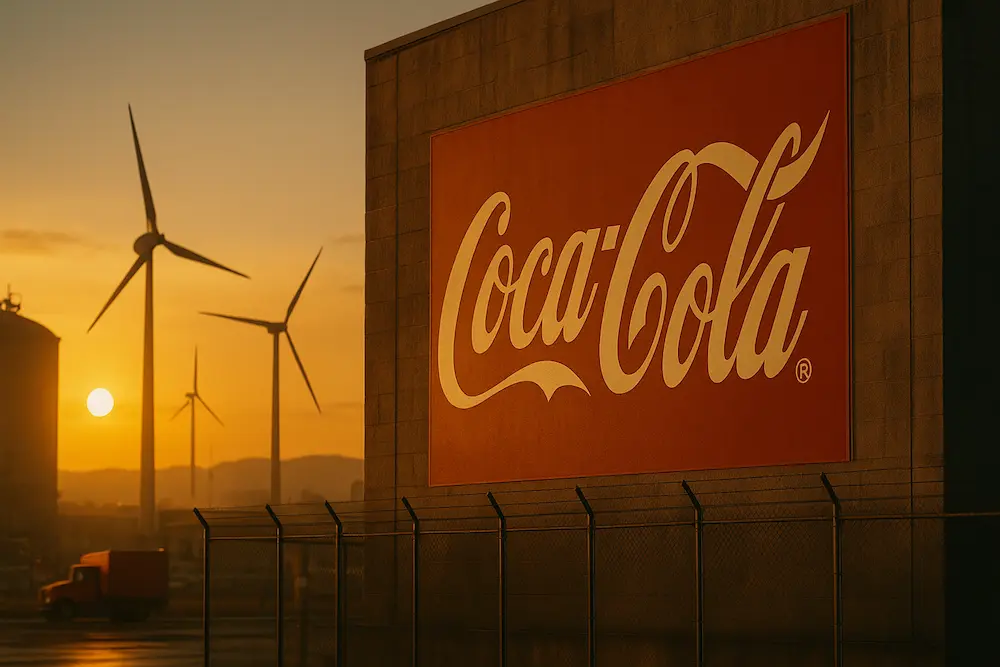
Thia is an AI-generated image — not a real historical photo.
Through wars, economic crises, and cultural revolutions, Coca-Cola has stayed constant — a symbol of refreshment and resilience. The secret formula may remain locked in a vault, but the real secret lies in how the company bottled emotion, not just flavor.
What We Can Learn
Coca-Cola’s journey teaches us that success doesn’t come from perfection — it comes from connection. The brand’s strength lies not in its product, but in its purpose: to bring people together. It shows how emotion can outlast competition, how adaptability can turn failure into victory, and how authenticity can make a business timeless.
At its heart, Coca-Cola reminds us of something simple yet powerful — that happiness, much like the drink itself, is best when shared.
Final Message:
Coca-Cola isn’t just a drink. It’s liquid storytelling — a symbol that has outlived wars, recessions, boycotts, and generations.
And every time you open a bottle and hear that “pssshhh” — remember, you’re not just tasting a beverage.
You’re tasting 138 years of history, strategy, and magic sealed inside a red can.