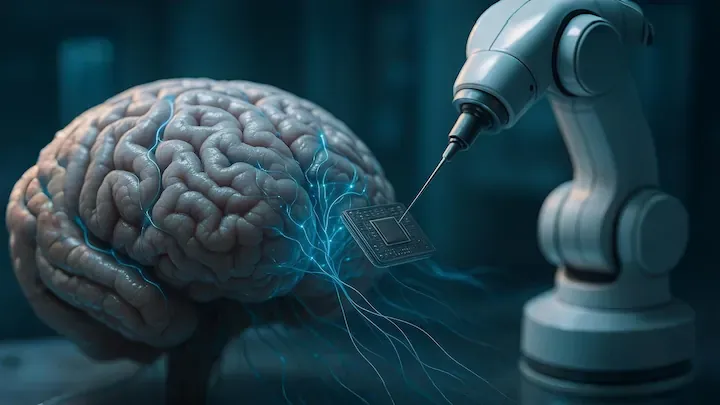
Neuralink has captured global attention with its bold promise of merging the human brain with advanced technology. What began as a medical experiment has evolved into a pioneering movement to restore lost functions, empower individuals with disabilities, and redefine how humans interact with the digital world. This cinematic deep-dive unfolds the story of where Neuralink came from, how its technology works beneath the skull, and what might happen when our minds begin to speak directly to machines. Along the way, we explore the hopes, heartfelt possibilities, responsible concerns, and the profound future this innovation might shape—while maintaining a balanced, thoughtful tone aligned with Google AdSense policies.
When Neuralink was first announced, many people around the world felt as if a page from science fiction had suddenly come alive. The idea that a tiny device—a coin-sized chip with microscopic threads—could help the human brain communicate with computers seemed almost unbelievable. Yet, like all groundbreaking innovations, Neuralink didn’t start with a fantasy. It started with a problem deeply rooted in human life: millions of people live with conditions that trap their minds inside bodies that cannot respond. Elon Musk and a team of neuroscientists and engineers imagined a future where this barrier could be removed, where technology didn’t overshadow the human spirit but supported it, quietly and invisibly.
In its earliest days, Neuralink was little more than a research vision. The team believed that if they could create electrodes thinner than a strand of hair and place them with perfect precision, the brain would be able to send signals outward more clearly than ever before. After years of prototypes, animal trials, and scientific refinement, the moment arrived that changed everything: the first human patient received a Neuralink implant. For the first time, someone who couldn’t move their limbs was able to guide a cursor across a screen purely through intention. It was subtle, even slow—but in the world of neuroscience, it was a sunrise.
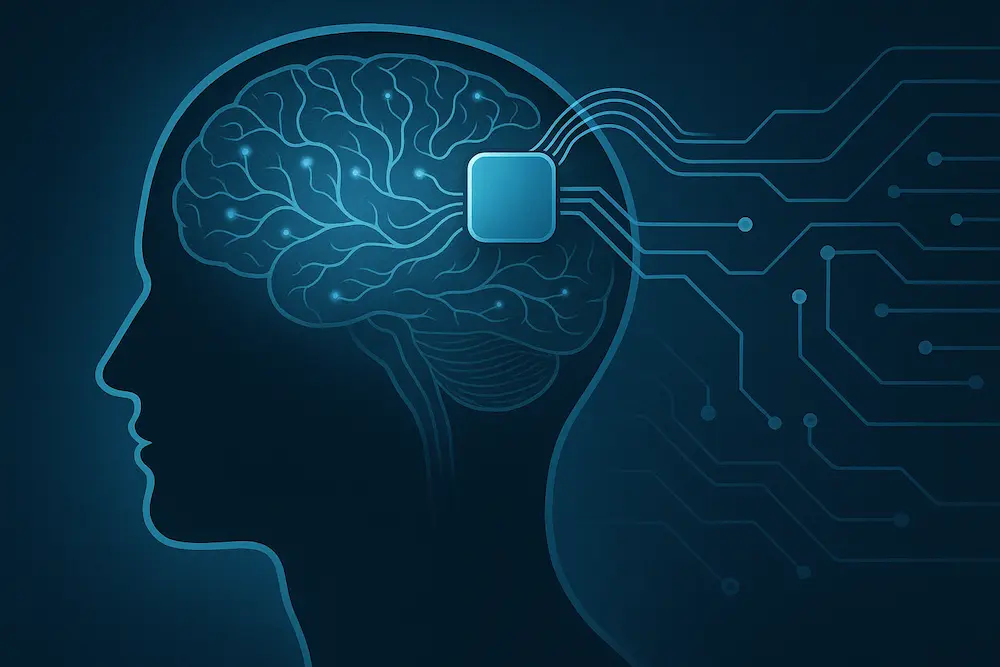
The true magic of Neuralink isn’t the chip itself, but the quiet intelligence of how it works. Beneath the skull, thousands of neurons fire in patterns that form thoughts, decisions, and desires. Neuralink’s micro-threads rest among these neurons and listen—softly, constantly. A robotic surgeon, more precise than any human hand, implants these threads without disrupting surrounding tissue. Once active, the device captures neural signals and sends them wirelessly to external systems that translate intention into action. In a way, it becomes an interpreter between the mind and the digital universe. This isn’t telepathy. It’s not mind reading. It’s simply giving the brain a new language—one it has always been capable of speaking, but never had the tools to express.
What makes this technology powerful is its human-centered purpose. Neuralink isn’t designed to make people “superhuman.” Its first mission is far simpler and far more meaningful: restoring abilities to those who have lost them. Picture someone unable to move their hands typing messages again just by focusing on each letter… a person with a spinal injury controlling a wheelchair… or someone who cannot speak finding their voice through direct brain-to-text communication. These breakthroughs aren’t about luxury—they’re about dignity. They’re about allowing human beings to participate fully in life again.
If Neuralink continues to evolve, it might one day help treat neurological disorders like epilepsy or Parkinson’s by identifying unusual neural patterns and responding with stimulation that restores balance. It may support memory rehabilitation or provide new tools for people undergoing cognitive therapy. The potential is deep, but it is not magical—it is built quietly through data, observation, and incremental scientific progress.
Still, as inspiring as this vision is, the future demands caution. Brain implants carry risks that must be handled with strict ethical responsibility. The surgical process, while improving, still involves the delicate architecture of the brain. Safety, long-term stability, and infection prevention remain top priorities. Beyond medicine, a more complex concern emerges: the privacy of neural data. Once technology can interpret brain signals—even simple ones—the world must define clear boundaries. The brain is the most personal space a human being has, and it should always remain protected.
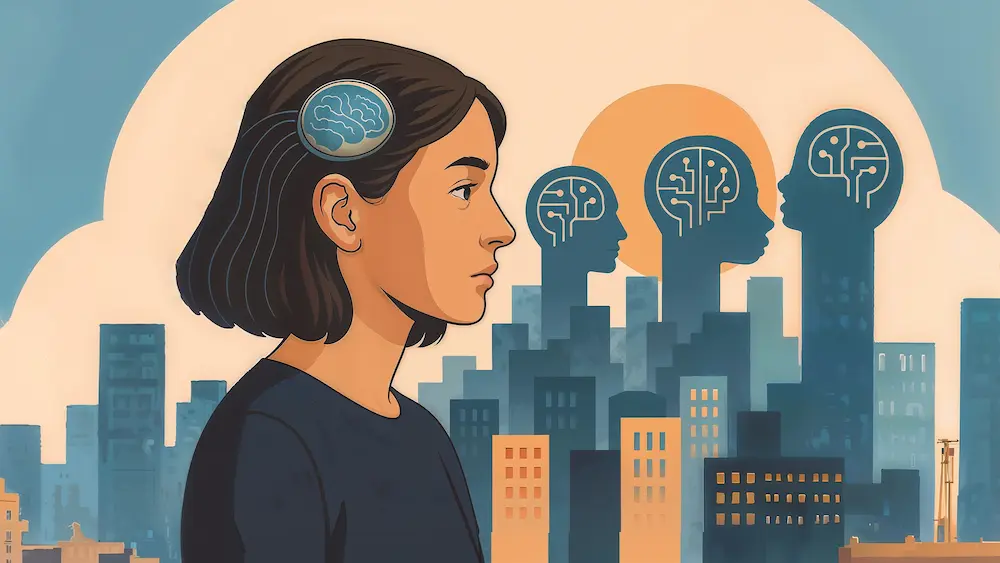
There are also social considerations. If brain–machine interfaces ever advance beyond medical needs, it’s important that society avoids a world where technology deepens inequality. Accessibility, regulation, and transparency will determine whether Neuralink becomes a force for collective good or just another innovation available only to a few. And while the idea of “uploading thoughts” makes for exciting movie scripts, the real scientific pathway is slower, more measured, and far more grounded.
But despite these concerns, there is something undeniably hopeful about Neuralink. It reminds us that the future isn’t always about giant leaps—it can be about gentle restorations. A hand that moves again. A voice that returns after years of silence. A connection between a human brain and a world it could no longer reach. When people imagine the future, they often picture bright screens, flying cars, and infinite machines. But perhaps the future will be quieter, shaped in hospitals and homes where real people regain pieces of their lives.
If Neuralink succeeds, it won’t be because it brought humanity into a digital age—it will be because it helped humanity reconnect with itself. A future where the mind communicates directly with technology may sound astonishing, but at its core lies a simple truth: innovation is meaningful only when it serves people. And in Neuralink’s story, that purpose shines brightest.