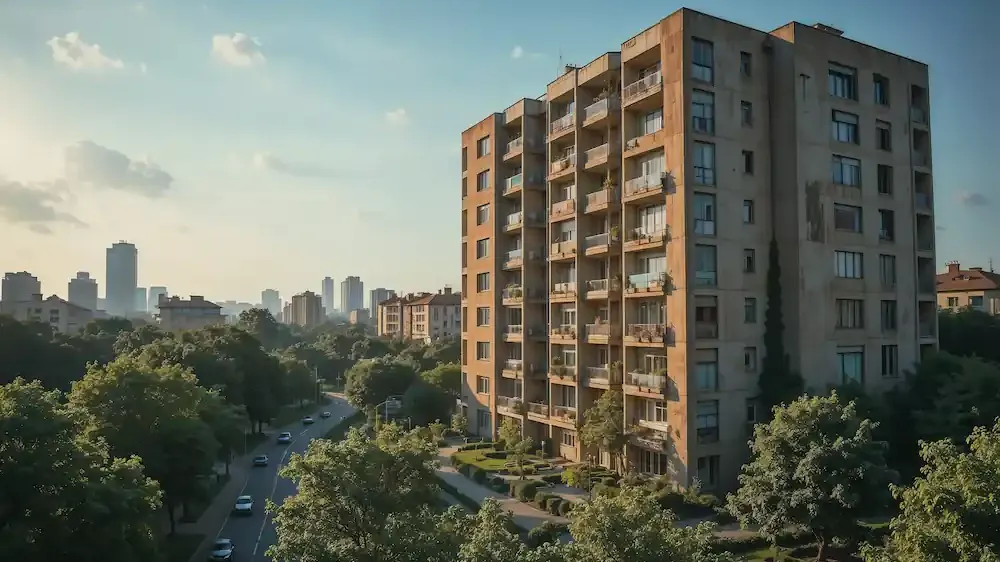
This long-form cinematic fiction blog follows Arin, a quiet engineer who discovers a mysterious time machine hidden beneath an abandoned observatory. What begins as curiosity spirals into a dangerous journey through the past, where a single mistake triggers a domino effect powerful enough to rebuild the modern world into something unrecognizable. Written with a natural human tone, personal opinions, emotional pauses, and reflective storytelling, this suspense-driven narrative blends logic-based time travel with the chaos of unintended consequences. The story explores guilt, destiny, and the terrifying fragility of timelines—because sometimes, the smallest change can erase everything we love.
Arin never imagined his quiet life would tangle with something as dangerous as time itself. He was the kind of person who kept his head down, did his work, and let the world move at its own pace. Yet deep inside, he always carried a strange hunger to understand old machines and forgotten places. Maybe that’s why the abandoned Hillcrest Observatory pulled him in that afternoon. It wasn’t curiosity alone—it was a feeling he couldn’t explain, like something inside the place was calling his name. The entire building smelled of dust and rusted metal, but there was also a strange humming, almost too soft to notice. He followed the sound through a broken hallway until he reached a room that didn’t match the decay around it. In the center stood a machine—silent, metallic, and oddly elegant, like it belonged to an era that hadn’t arrived yet. Arin touched it without thinking. A warm pulse ran through the metal. Before he could step back, the machine lit up and the floor vibrated beneath him. The world twisted, folding into spirals of white-blue light, and suddenly everything vanished.
When he landed, the air felt cleaner, quieter. People around him dressed differently, cars looked older, and even the advertisements on walls had a nostalgic charm to them. It took him a moment to accept what had happened—he wasn’t in the same year anymore. Somehow, he had fallen into the past. The year was 1993. And despite the panic in his chest, he couldn’t deny a part of him felt oddly at peace. Life was slower, softer, and strangely comforting compared to the restless present he had come from.
The first two days, he moved carefully, trying not to disturb anything. Every time travel story he’d ever heard warned about the consequences of small actions. He told himself he would just explore a little, absorb the experience, and quietly return to his own time. But humans can control many things except their instinct to help. On the third day, he saw a little boy run into the street to grab a fallen toy car. A van turned the corner faster than it should have. Arin didn’t think—his body moved before his mind did. He grabbed the child and pulled him back, barely avoiding the impact. People rushed over, thanking him, calling him brave, hugging their child with trembling relief.
Arin smiled awkwardly, but the moment stayed warm in his chest. He thought he had done the right thing.
When he returned to the machine later, it behaved differently, as if struggling to decide which version of reality to load. The light flickered violently, and for a second he felt like the whole timeline was shaking. By the time the world settled, Arin stepped out expecting his normal 2024. What he got instead felt like a completely different universe.
The observatory wasn’t abandoned anymore—it was a guarded scientific facility with drones scanning the perimeter. The city below had transformed into something futuristic, almost too advanced to belong to the present year. Roads glowed with synchronized traffic lines, buildings shifted their opacity through some kind of smart glass, and people walked around wearing small wrist implants that projected holographic screens in the air.
At first, Arin thought he had traveled forward. But the date on the public display confirmed it—this was still 2024. His 2024. Just not the one he came from.
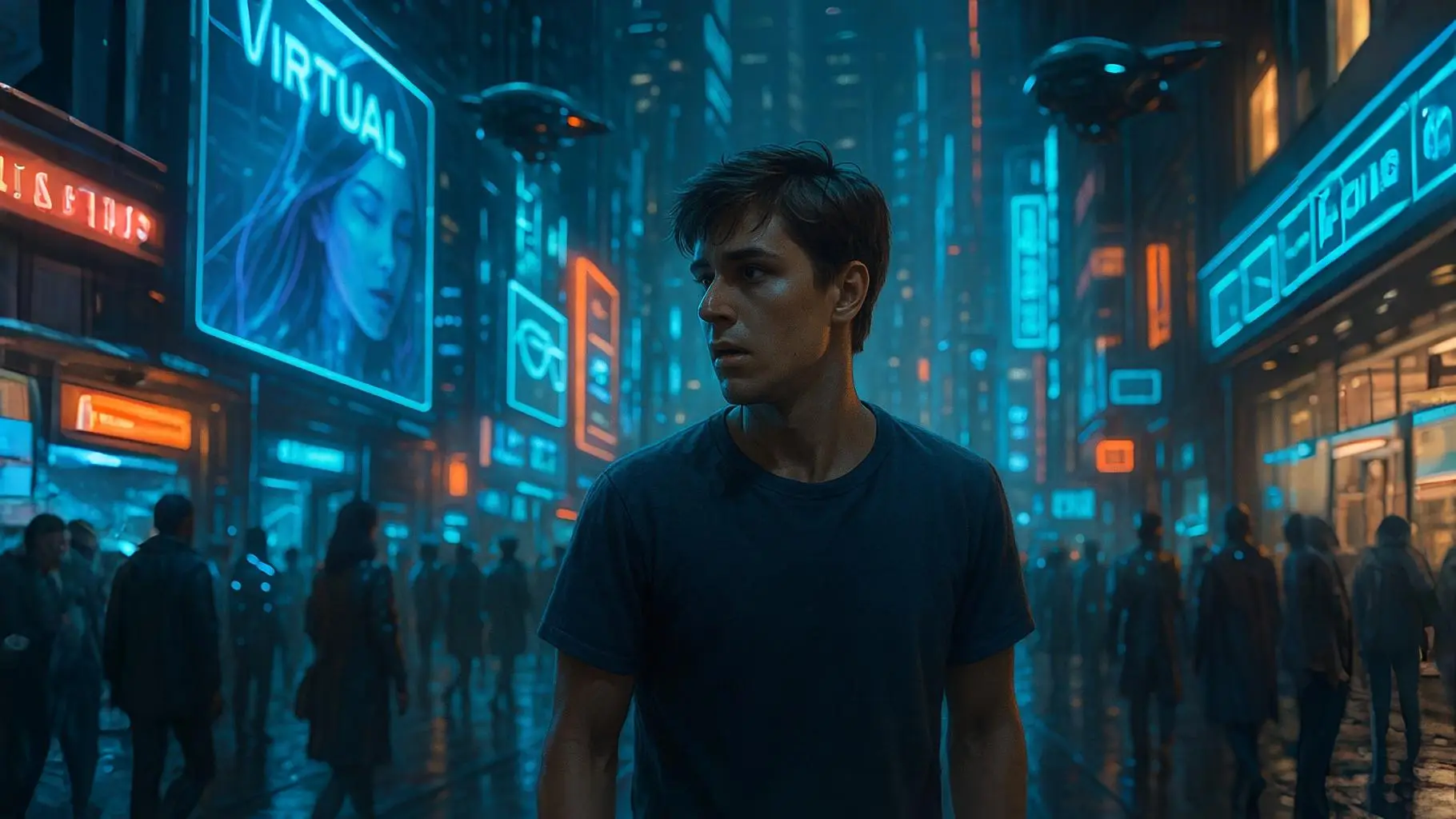
As he walked through the city, shock faded into confusion. Then confusion turned into an uneasy fear. Everything had changed—technology, culture, even the rhythm of everyday life. It didn’t feel like a natural evolution. It felt forced, accelerated, as if someone had pushed humanity twenty years ahead overnight. It didn’t take him long to find out who.
The boy he had saved in 1993 had grown up to become Dr. Imran Vale—a genius technologist responsible for creating neural architecture chips, quantum grid systems, and half the futuristic infrastructure around him. The world considered him a prodigy. But Arin saw something unsettling beneath the surface. People were efficient, yes, but also stressed. Relationships felt shallow, replaced by algorithmic emotional tools. Privacy no longer existed; every action was monitored “for optimization.” Even city curfews were enforced automatically.
This new world was impressive, but it didn’t feel alive. It felt engineered.
Arin realized that saving that child had rewired the entire future.
He spent days looking for the time machine. It wasn’t where it used to be. The observatory now stored it in a restricted vault underground. Getting access was nearly impossible, but desperation can make a person resourceful. Arin pretended to be a maintenance worker, used discarded access cards, and slipped in during a shift change. What he found shocked him even more.
The time machine was upgraded—more polished, more stable, more dangerous. Someone had discovered it long before Arin returned. Someone had improved it. And he knew exactly who.
Dr. Imran Vale entered the vault just as Arin approached the machine. He didn’t seem surprised to see him. In fact, he looked almost relieved.
“I’ve been expecting you,” Imran said calmly.
Arin’s stomach tightened. Expecting him? How?
Imran explained everything with a disturbing steadiness. The day Arin saved him became his life’s turning point. He grew up believing fate had preserved him for a larger purpose. Years later, he found traces of the original observatory experiments and rebuilt the time machine himself. Over time, he pieced together the truth: someone had saved him from dying as a child, and he eventually realized that someone was Arin. Not from this time, but from a different version of the timeline.
That revelation fueled his work. Imran believed humanity had been moving too slowly. He wanted to create a future free from inefficiency, illness, and unpredictability. A “clean timeline,” he called it. And he used the machine to push humanity toward that future.
Arin felt the weight of guilt settle heavily inside him. His one act of kindness—saving a child—had created a world that looked perfect but felt hollow.
Imran wasn’t angry at him. In fact, he was grateful. But he warned Arin not to interfere again. “This world needs direction,” he said. “Not randomness.”
Arin didn’t agree. A world without unpredictability wasn’t a world—it was a simulation wearing human skin. Before Imran could stop him, Arin activated the machine and threw himself inside. The vortex hit harder this time, almost as if the timeline itself resisted his attempt to fix it.
But he made it.
He returned to 1993, to the exact moment where the accident was about to happen again. The same child. The same road. The same van speeding down the curve. His legs trembled. His heart broke. The instinct to run forward nearly overpowered him. But he stayed still. He looked away as the moment unfolded, tears burning in his eyes.
He had saved the world once by undoing his own heroism.
When he returned to 2024, everything was back to normal—the imperfect, loud, human version of it. The observatory was abandoned again. The city looked flawed but alive. People argued, laughed, made mistakes, and lived without implants controlling their emotions.
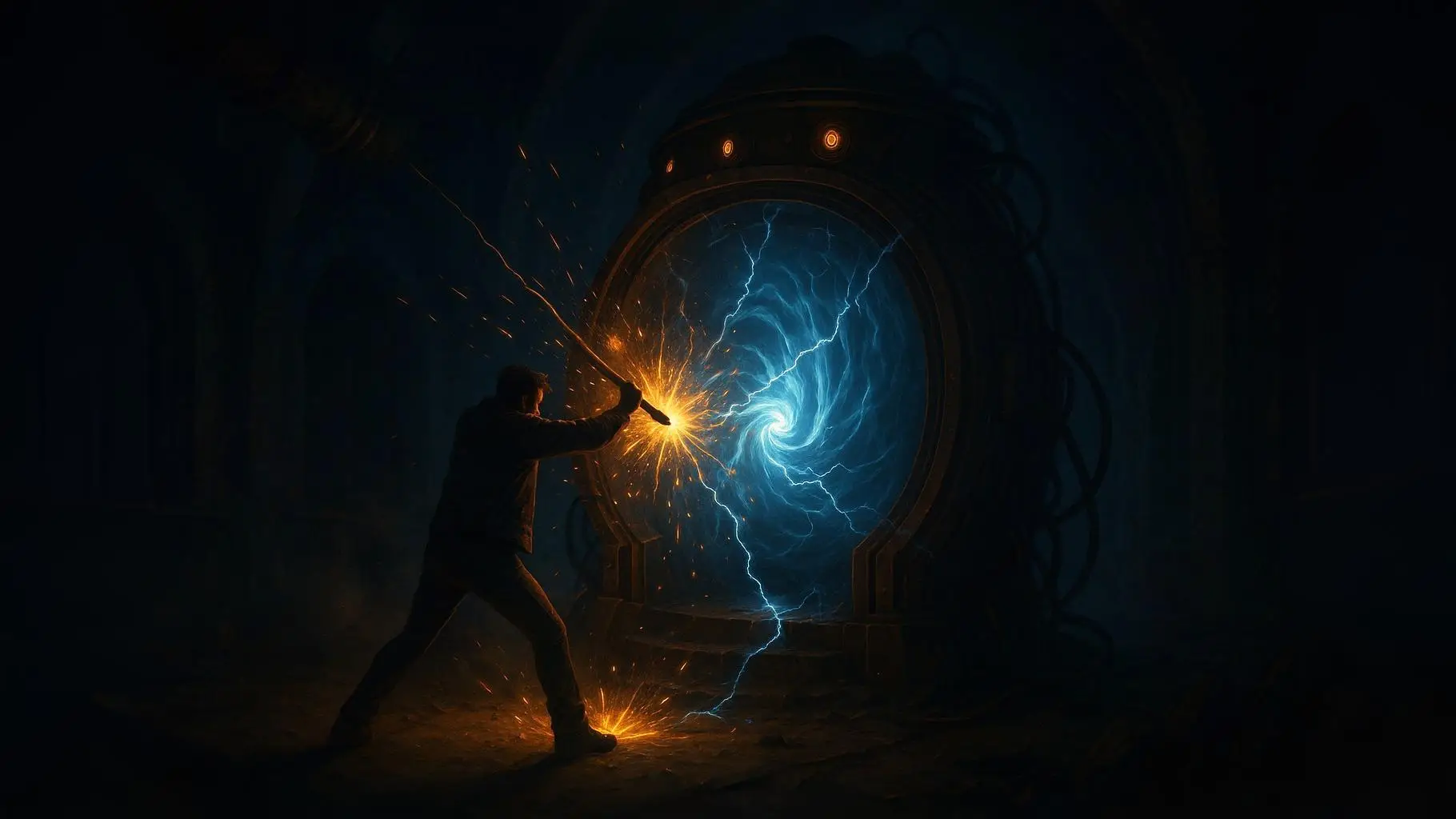
Arin destroyed the machine that night. He didn’t hesitate. Some inventions are too heavy for the world, and time travel was one of them.
As he walked away from the ruins, he carried the weight of two futures—the one he had seen and the one he had restored. He couldn’t tell anyone the truth. No one would believe him. But he didn’t need recognition. He just needed peace.
Sometimes saving the world means letting things break naturally.
Sometimes the hardest choice is the one no one will ever know about.
And Arin learned the truth the cruelest way possible:
fixing time often requires breaking your own heart.