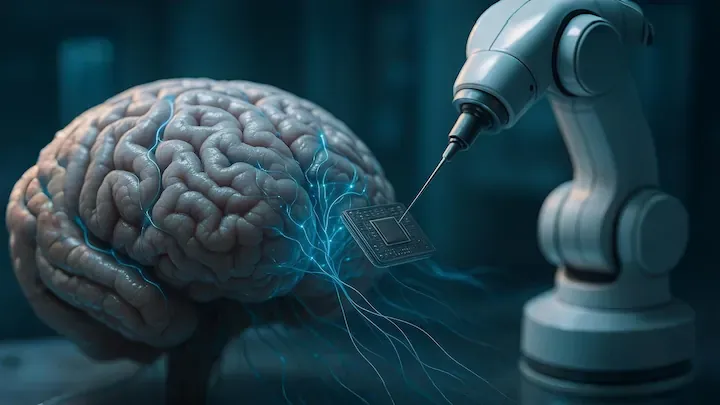
Deepfake technology began as a clever digital illusion, but it has quietly grown into one of the most dangerous innovations of our generation. Behind its realism lies an unsettling power capable of rewriting identities, manipulating politics, and shaking the foundations of truth itself. This cinematic, suspense-driven blog explores how deepfakes work, how they influence society, the future risks they bring—including war-level consequences—and how humanity can still fight back with awareness, regulation, and smarter technology before this digital wildfire consumes reality.
Deepfake technology didn’t enter the world like a normal invention—it seeped in quietly, like a shadow slipping into a room where no one noticed the door opening. At first, people laughed at the early face-swap videos, shaky edits that felt like cheap magic tricks. But technology doesn’t stay harmless for long; it learns, evolves, sharpens itself. Soon, deepfakes began pulling in millions of images, thousands of voice recordings, every blink pattern, every micro-expression a human face can make. This is how they work: AI models swallow oceans of data until they understand a person better than the person understands their own reflection. When that moment happens, the machine can rebuild a face, reconstruct a voice, and animate them with terrifying accuracy. The real danger isn’t just that these videos look authentic—it’s that they feel authentic. And when something feels real, our brains barely question it. I genuinely believe that society isn’t prepared for technology that can rewrite truth this easily. We’ve always relied on our eyes as our final judge, our anchor to reality. But deepfake technology quietly pulls that anchor away. Suddenly, a politician can “say” something inflammatory they never said, and millions may react instantly. A celebrity can be placed in a scandal they were never part of, and their reputation might collapse in minutes. Even regular people can find their identities twisted into situations they never imagined. The scariest part is how emotions react faster than reasoning. Someone sees a fake video, gets angry, shares it, and by the time the truth crawls in hours later, the damage has already grown roots. Imagine a deepfake of a world leader announcing a military strike, or insulting another nation—global tension could rise so quickly that there’s no time to verify, no space for logic, only reaction. That’s how wars begin: not with bombs, but with belief. And deepfakes are perfect weapons because they don’t need explosives—they only need trust. Once trust is broken, everything becomes fragile. It’s ironic but true: in a world full of advanced technology, our biggest vulnerability is still human emotion.
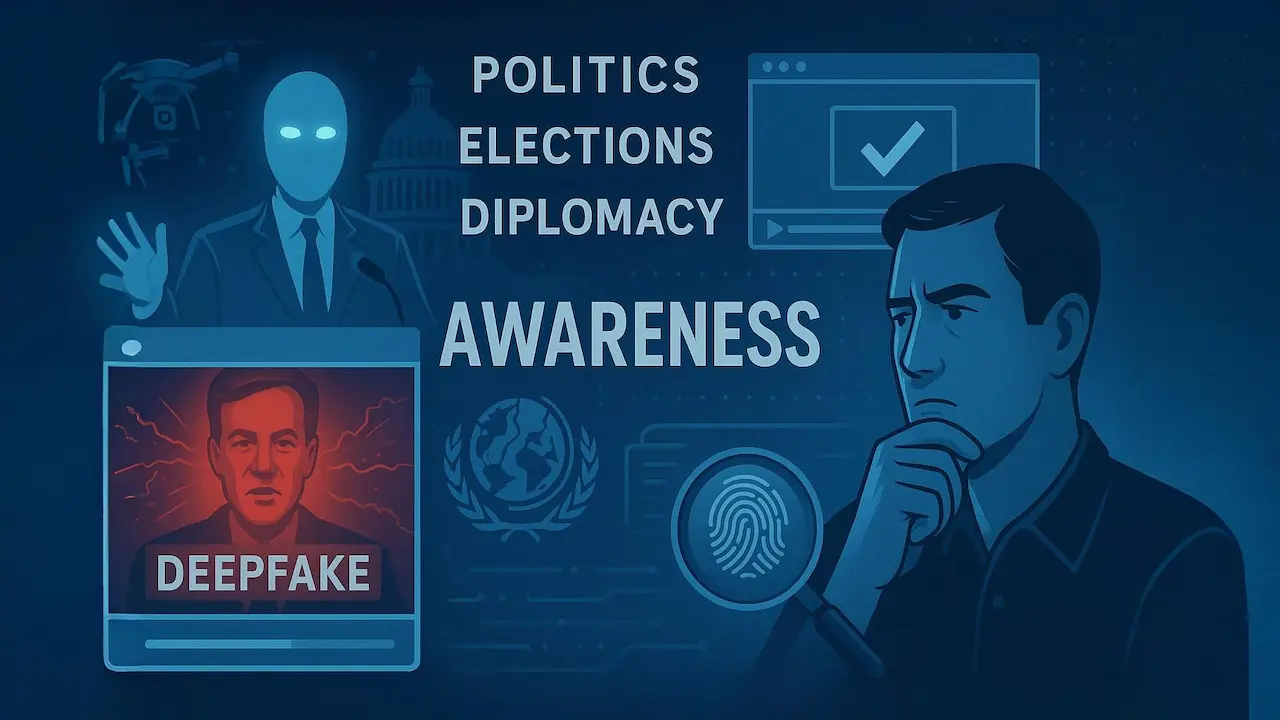
As this digital illusion spreads, it silently pushes the world toward a future where reality becomes negotiable. Politics becomes easier to manipulate because anyone can fabricate a speech or twist a candidate’s words. Elections, which already struggle under the weight of misinformation, might soon drown in waves of synthetic content so convincing that fact-checking becomes almost meaningless. Even global diplomacy becomes fragile—countries could be tricked into conflict by manufactured videos that appear to show hostile statements or military threats. One well-timed deepfake could destabilize an entire region. And the pace at which the technology is improving makes the problem even worse. What used to require expensive equipment and expert skills can now be done on a laptop by anyone with access to open-source tools. Deepfake creation has become faster, cleaner, and more accessible. It’s like handing everyone in the world a tool that can distort reality—and expecting society to stay calm. But the future isn’t hopeless; it’s simply demanding more awareness than ever before. AI researchers are now developing detection systems that look for the tiny flaws deepfakes leave behind—strange eye reflections, unnatural shadows, inconsistent blinking, or neural fingerprints hidden inside video frames. Tech companies are working on authenticity markers, invisible watermarks that confirm a video is real before it circulates. Governments are slowly building laws to punish malicious deepfake creation, although legislation always seems to move slower than innovation. The real solution, though, lies in digital literacy—teaching people to question, analyze, verify before reacting. I honestly feel this is the only shield that truly works, because technology will always evolve faster than rules. The more society learns to pause and investigate, the less power deepfakes have. And perhaps that’s the core truth of the entire issue: deepfakes can damage the world only if people believe them blindly. If we become smarter viewers, more skeptical thinkers, and slower reactors, the illusion collapses. The technology may be powerful, but human awareness is still the final gatekeeper. At the end of the day, deepfakes challenge not just our understanding of reality, but our discipline in seeking truth. The battle isn’t on our screens—it’s in our minds, and whether we can stay grounded in a world where the line between real and fake grows thinner every day.