From a small café experiment to an interstellar lifestyle brand, Starbucks reshaped how humanity experiences coffee — and connection. Born from the dream of blending space-age innovation with earthy flavors, Starbucks faced skepticism, scandals, and steep competition. Yet through relentless creativity, smart storytelling, and bold expansion, it transformed caffeine into a culture — one that now fuels not just mornings, but missions to Mars.
The Birth of a Coffee Vision
In 1971, three friends — Jerry Baldwin, Zev Siegl, and Gordon Bowker — opened a small store in Seattle’s Pike Place Market. Their goal wasn’t to sell cappuccinos or lattes; it was to sell premium coffee beans and equipment for home brewing. Inspired by Italian coffee traditions and guided by the legendary Alfred Peet (founder of Peet’s Coffee), they believed Americans deserved better coffee than the bitter, mass-produced blends common in households.
The store’s name, “Starbucks,” came from Starbuck, a character in Moby-Dick, symbolizing adventure and exploration. The logo — a two-tailed mermaid or siren — reflected the brand’s coastal origin and promise to lure people toward something new. But at that stage, Starbucks was still far from the coffeehouse culture we know today. It was more of a niche retailer, serving passionate home brewers rather than café lovers.
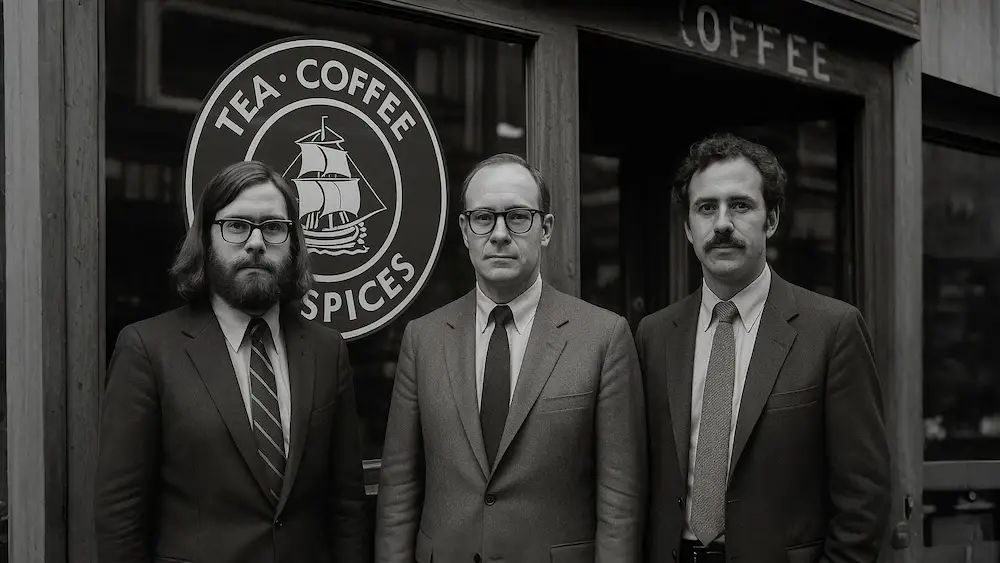
AI-generated image for illustration only — not a real historical photo.
The Man Who Saw the Future
In 1982, a young marketing executive named Howard Schultz joined Starbucks. During a trip to Milan, he discovered Italy’s espresso bars — lively places where people gathered not just to drink coffee but to connect, relax, and converse. Schultz realized that Starbucks could be more than a store — it could become a third place between work and home.
But when he proposed turning Starbucks into a café-style business, the founders disagreed, fearing it would dilute their vision. Disappointed but determined, Schultz left to start his own coffee company, Il Giornale. His idea flourished, proving that people craved both quality coffee and community experience. In 1987, Schultz returned to buy Starbucks from its founders, merging his dream with the brand’s reputation. That was the true birth of the Starbucks we know today.
Brewing an Experience, Not Just Coffee
Under Schultz’s leadership, Starbucks became a cultural revolution. It wasn’t about caffeine — it was about connection. Every detail, from the music to the aroma, was designed to create an emotional experience. The green logo became a symbol of calm, sophistication, and belonging.
Baristas weren’t just employees; they were “partners.” Customers weren’t buyers; they were “guests.” Even the introduction of custom names on cups, though sometimes hilariously misspelled, made people feel seen and acknowledged. Starbucks redefined personalization long before tech companies made it a trend.
Soon, Starbucks stores began popping up in every corner — urban centers, airports, colleges, and shopping malls. It became the go-to place for freelancers, first dates, and friends catching up. A cup of Starbucks wasn’t just a beverage; it was a badge of modern living — warm, creative, and aspirational.
The Fall and the Bitter Brew of Reality
But every empire faces its decline. By the mid-2000s, Starbucks’ rapid expansion became its biggest weakness. Stores started to feel standardized and soulless. Schultz himself admitted that the company had “lost its soul.” The coffee quality dropped, customer satisfaction declined, and the brand that once symbolized connection began to feel corporate and mechanical.
In 2008, during the global financial crisis, Starbucks closed hundreds of stores and laid off thousands of employees. Many critics predicted that the brand’s era had ended. But Schultz returned as CEO and began rebuilding — not just the business, but the culture.
He brought back the focus on barista training, store ambiance, and community engagement. The company stopped over-expanding and started investing in meaningful experiences again. Starbucks also began emphasizing ethical sourcing and sustainability, ensuring that every bean told a story of responsibility and respect.
Reinvention for a Digital World
Starbucks didn’t just recover — it evolved. The brand embraced technology early, launching a mobile app that allowed customers to order, pay, and earn rewards seamlessly. By combining coffee with convenience, Starbucks became one of the first brands to merge retail and digital experiences naturally.
Social media became its new coffeehouse — where stories brewed faster than espresso shots. The brand began listening to customers online, launching seasonal favorites like the Pumpkin Spice Latte and the Caramel Macchiato, which turned into cultural moments rather than just menu items. Starbucks’ green cup became an icon of modern comfort in an increasingly digital world.
The Culture That Never Cooled Down
Today, Starbucks stands for more than coffee — it represents global connection, mindfulness, and inclusion. It has faced controversies, from racial bias incidents to pricing debates, but its strength lies in how it responds — with honesty, retraining, and renewed commitment to its core values.
The company continues to innovate — from plant-based menus to eco-friendly stores — proving that even a legacy brand must keep adapting to stay relevant. Whether you sip your latte in Tokyo, Mumbai, or New York, that same feeling of warmth and belonging remains consistent.
“The universe runs on stories and caffeine. We just combined the two.”
What We Can Learn
Starbucks’ story teaches us that success is brewed slowly — through vision, reinvention, and emotional connection. It shows that business isn’t just about selling products but creating experiences that touch hearts. And most importantly, it reminds us that even when a brand loses its way, it can always find its aroma again by returning to its purpose.
In every steaming cup, Starbucks serves a message — that small ideas, when nurtured with passion and authenticity, can awaken the world one sip at a time.
Images and trademarks of creators or brands featured in this article
are used for identification and informational purposes only.
All rights belong to their respective owners. No endorsement is implied.